
Читайте також
Дізнайтеся Топ-5 найдовших слів в англійській
Головна А чи знаєте ви, скільки слів в англійській мові? Відповідь однозначна: багато, адже останнє видання Oxford English Dictionary містить...


Читання англійською — це, мабуть, одна з найприємніших навичок. Воно не вимагає миттєвої реакції, як у розмові, не змушує нервувати через вимову. Тексти дають нам час подумати, повернутися до незрозумілого речення, насолодитися мовою. Але чи замислювалися ви, що читання може бути не лише задоволенням, а й потужним інструментом для переходу на новий рівень?
Проблема в тому, що багато хто береться за надто складні тексти й швидко втрачає мотивацію. Або навпаки — роками читає адаптовані книжки для початківців і не рухається далі. Секрет у тому, щоб читати тексти, які відповідають вашому поточному рівню, і правильно з ними працювати.
У цьому матеріалі ми зібрали тексти для всіх рівнів — від A1 до C2. Кожен супроводжується невеликими завданнями, щоб ви могли не просто прочитати, а й перевірити, наскільки добре зрозуміли прочитане. А наприкінці поділимося ресурсами, де можна знайти ще більше матеріалів для практики.
Перш ніж ми перейдемо до прикладів, варто розібратися, чому читання (reading) є такою важливою навичкою і чому йому варто приділяти час регулярно.
По-перше, читання природним чином розширює словниковий запас. Коли ми зустрічаємо нове слово в контексті, воно запам’ятовується набагато краще, ніж під час механічного заучування списків. Ми бачимо, як слово “живе”, з якими прийменниками воно вживається, які має відтінки значень.
По-друге, читання допомагає “відчути” граматику. Замість того щоб зубрити правила, ви бачите, як граматичні конструкції працюють у реальному тексті. З часом правильний порядок слів, узгодження часів і вживання артиклів стають для вас природними.
По-третє, читання розвиває навичку аудіювання (якщо читати вголос). Коли ви промовляєте текст, ви тренуєте артикуляційний апарат і вчитеся пов’язувати графічний образ слова з його звучанням. Це особливо корисно для початківців.
І нарешті, читання — це доступ до інформації та задоволення. Ви можете читати новини, професійні статті, художню літературу, блоги — усе те, що вам справді цікаво. А інтерес — найкращий двигун у вивченні мови.
Тепер перейдімо до практики. Якщо ви не знаєте свій точний рівень, радимо спочатку заглянути в нашу таблицю рівнів англійської мови, щоб зорієнтуватися.
На рівні A1 (Beginner) студенти лише починають свій шлях. Словниковий запас — близько 500-700 слів. Основа — прості короткі речення, знайомі теми (родина, щоденні справи, хобі), переважно Present Simple.
Тексти для цього рівня мають бути дуже простими, з великою кількістю повторів і зрозумілою структурою. Детальніше про навички та вимоги цього рівня можна прочитати в статті про рівень англійської A1.
Приклад тексту:
Hello! My name is Leo, and this is my fish, Fin.
Fin is my pet. He is orange and white, and he lives in a small glass bowl. In the bowl, there is water, some green grass, and one blue rock.
Every morning, I give Fin food. The food is small brown flakes, and he eats them very quickly. In the evening, I turn on a small light near the bowl. I think he likes it.
Fin doesn’t play with toys. He can’t run or jump like other pets. He just swims around the bowl, again and again. Sometimes he swims near the rock, sometimes near the grass.
I like watching Fin. It’s relaxing, and he always makes me smile.
Comprehension Questions:
Як бачите, речення короткі, лексика базова, а завдання перевіряють лише загальне розуміння прочитаного.
На рівні A2 (Elementary / Pre-Intermediate) словниковий запас сягає 1500 слів. З’являються минулі часи (Past Simple), модальні дієслова (can, must), прості конструкції майбутнього часу. Тексти стають трохи довшими, а теми — різноманітнішими: погода, подорожі, вихідні, плани. Більше інформації про цей рівень — у статті про рівень англійської A2.
Приклад тексту:
Every Saturday morning my family and I go to the big market in the town center. It has slowly become my favorite part of the weekend. The place is always crowded and a little noisy, but that’s part of the charm. There are stalls everywhere, each selling something different.
My mom usually starts with the vegetables for the week. She checks the tomatoes, looks for fresh lettuce, and sometimes buys spicy peppers. My dad, meanwhile, heads straight to the bakery stall. His mission is simple — find the freshest bread. The line is almost always long, but he says their sourdough is worth the wait.
My little sister Elena has a much simpler plan. She only cares about one thing: something sweet. Most Saturdays she walks away with a small bag of warm churros covered in sugar.
As for me, I bring a bit of pocket money and browse the second-hand book stall. Last week I managed to find a really interesting book about space, and it cost only two euros.
When we’re done shopping, we usually sit on a bench near the fountain and share some lemonade. It’s nothing fancy, but it’s a nice, relaxed way to begin the weekend together.
Comprehension Questions:
Текст уже містить минулий час, прості прикметники, а питання вимагають трохи уважнішого читання.
B1 (Intermediate) — це рівень, на якому студент може розуміти основні ідеї текстів на знайомі теми, висловлювати свою думку, описувати події та почуття. Словниковий запас — близько 2500 слів. З’являються складніші граматичні конструкції: Present Perfect, умовні речення I та II типів, пасивний стан. Докладно про вимоги — у статті про рівень англійської B1.
Приклад тексту:
My grandmother keeps many interesting things in her house, but my favorite item is an old book of paper maps. It’s a road atlas of the whole country.
The pages are thin and a little worn because they have been used many times. Some pages even have coffee stains, and there are small circles around certain towns.
Last weekend I was planning a road trip with my friends. We were all looking at our phones and checking digital maps.
My grandmother watched us for a moment and then brought her old atlas.
“Do you know how we used to travel before smartphones?” she asked.
She showed me a route she once took with my grandfather. There were mountains, small villages, and even a lake where they stopped for a picnic.
At that moment, I realized something. Our phones show the fastest route, but her map showed a story.
It wasn’t just directions. It was a memory.
Comprehension Questions:
Текст уже є зв’язною аргументацією, а завдання перевіряють не лише факти, а й розуміння головної думки та порад автора.
B2 (Upper-Intermediate) — це рівень впевненого користувача. Студент розуміє складні тексти на конкретні та абстрактні теми, включаючи професійну дискусію. Словниковий запас — до 4000 слів. Граматика охоплює всі основні часи, умовні речення III типу, складні конструкції з герундієм та інфінітивом, фразові дієслова. Деталі — у статті про рівень англійської B2.
Приклад тексту:
Giving a gift might seem like a simple action, but in reality, it often carries much deeper meaning. In many cultures, the way a gift is given can say almost as much as the gift itself.
For example, in many Western countries, people focus on the preferences of the person receiving the gift. It’s common to open the present immediately and react with excitement.
In some East Asian cultures, the situation looks a little different. The presentation of the gift — the wrapping, the way it is handed over — can be just as important as the object inside.
Sometimes gifts are opened later in private. This helps avoid embarrassment if the gift is modest or if the reaction might look inappropriate in public.
Another important idea is reciprocity. In certain cultures, a gift can create a quiet expectation that a similar gesture will be returned in the future.
Understanding these cultural details is important today, especially when people from different countries work or communicate together.
Comprehension Questions:
Текст містить абстрактні міркування, аналіз причин і наслідків. Завдання вимагають не просто пошуку інформації, а й інтерпретації.
C1 (Advanced) — це рівень професійного володіння. Студент розуміє великі обсяги складних текстів, бачить прихований зміст, вільно висловлюється без підготовки. Словниковий запас — близько 8000 слів, включаючи ідіоми, сленг, спеціалізовану лексику. Граматика використовується гнучко, з розумінням нюансів.
Приклад тексту:
Our time is strongly shaped by the constant push toward digital technology. The soft feeling of turning a page has been replaced by the quick swipe of a screen. The warm crackle of vinyl records has given way to the smooth efficiency of streaming algorithms. These changes bring convenience and accessibility, and we celebrate that. Yet we rarely pause to think about what may have quietly disappeared along the way. Analog experiences still carry a certain quiet dignity that digital tools, despite their power, struggle to recreate.
Part of that dignity comes from limitation. Film photography, for instance, doesn’t offer unlimited shots. You have only a certain number of exposures, which naturally makes you more careful. You pause, think about the frame, and wait for the right moment before pressing the shutter.
Handwritten letters offer a similar kind of presence. The page shows traces of the writer — the pressure of the pen, the shape of the handwriting, maybe even a tiny ink stain. It’s not just a string of data on a screen. It’s a physical object, tied to a particular moment and place.
Digital technology gives us speed and endless quantity. We scroll through thousands of songs but rarely stay with one for long. We take hundreds of photos yet rarely print them. Analog media, by contrast, slows things down. It encourages attention and patience.
In that sense, analog experiences ask us to do more than simply consume. They invite us to take part in the process. The medium itself becomes part of the meaning — reminding us that effort, imperfection, and time invested in the process can be just as meaningful as the final result.
Comprehension Questions:
Тексти рівня C1 вимагають аналізу, розуміння абстрактних концепцій і вміння формулювати складні ідеї.
C2 (Proficiency) — це рівень, максимально наближений до носія мови. Студент розуміє практично все, що чує або читає, може узагальнювати інформацію з різних джерел, вільно спілкується на будь-які теми з високою точністю. Тексти можуть бути на будь-яку тему, включаючи складні академічні, наукові, філософські чи художні твори з багатою мовою, грою слів та культурними алюзіями.
Приклад тексту (уривок есе):
We often talk about memory as if it were a kind of storage space — like a vast library where past experiences are neatly filed away, waiting to be retrieved. It’s a convenient image, but not a very accurate one. Memory doesn’t behave like a fixed archive. Instead, it is more like a landscape that slowly changes over time. Every new experience can reshape it. In that sense, remembering is not simply returning to the past — it is recreating it.
Neuroscience supports this idea. Each time we recall a memory, the brain partially rebuilds it. As we do so, our current emotions and thoughts can subtly influence what we remember.
Think about a childhood holiday. If you recall it during a difficult period of life, that memory may carry a different emotional tone than it once did. Likewise, an old misunderstanding might fade with time and a new perspective — or grow stronger if a similar experience happens again.
Because of this, memories are not perfect snapshots. They resemble impressionist paintings more than photographs — images that are gradually adjusted and retouched as time passes.
This idea leads to an interesting paradox. On the one hand, it means our memories may not always be reliable. The personal story we tell ourselves about the past might be layered and rewritten so many times that the original version becomes hard to see.
On the other hand, this flexibility offers a certain freedom. If memory is not fixed, then our relationship with the past is not completely passive. Through reflection and new understanding, we can reshape how those experiences fit into our lives.
We cannot change what happened. But we can change how we interpret it. In that sense, mapping memory is not about drawing a perfectly accurate picture of the past. It is about creating a meaningful map that helps guide us forward.
Comprehension Questions:
Цей рівень вимагає не просто розуміння слів, а глибокого аналізу тексту, розуміння авторського стилю, метафор та підтексту.
Знайти якісні тексти для читання сьогодні нескладно. Головне — обирати ті, що відповідають вашому рівню та інтересам.
Ось кілька конкретних ресурсів, які варто додати в закладки:
Щоб читання приносило максимум користі, дотримуйтеся кількох простих рекомендацій.
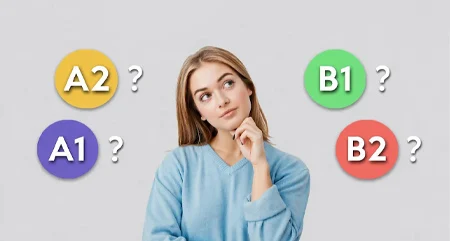
Іноді достатньо одного кроку, щоб зрозуміти свій реальний рівень і побачити, куди рухатись далі.
Орієнтуйтеся на описи рівнів вище. Якщо ви початківець, обирайте короткі тексти з простими реченнями на знайомі теми. Якщо у вас середній рівень, спробуйте читати новини або блоги. Головне — текст має бути цікавим для вас і не надто складним.
Короткі розповіді про сім’ю, щоденні справи, хобі, тварин. Адаптовані книги, дитячі оповідання, прості пісні. Тексти мають містити базову лексику та прості граматичні конструкції (Present Simple, минулий час).
Неадаптовані новинні статті, блоги, нескладна художня література, тексти на суспільні теми. Тут уже трапляються складніші часи, умовні речення, пасивний стан.
Так, дуже корисно. Це тренує вимову, допомагає позбутися страху говорити, покращує розуміння на слух і запам’ятовування.
Варто, але з розумом. Не виписуйте всі слова підряд, тільки ті, які здаються вам справді корисними або часто вживаними. І обов’язково записуйте їх у контексті.
Поєднуйте читання із завданнями. Прочитали — перекажіть, дайте відповіді на запитання, випишіть ключові фрази. І, звісно, робіть це регулярно.

Залиште заявку і наші менеджери радо вас проконсультують

У Speak Well School ми вже 15 років викладаємо англійську для того, щоб ви не просто розуміли правила, а впевнено користувалися мовою в реальних ситуаціях – на роботі, в подорожах чи в живому спілкуванні. Ми працюємо з дітьми, підлітками, дорослими, а також українськими та міжнародними компаніями, пропонуючи сучасні курси англійської мови з чіткою структурою, гнучким форматом (онлайн або офлайн) і відчутним прогресом з перших тижнів.
Мова :
© 2026 Speak Well
Заповніть форму і ми з вами зв’яжемось
Заповніть форму і ми з вами зв’яжемось
Заповніть форму і ми надішлемо вам комерційну пропозицію
Заповніть форму і ми з вами зв’яжемось
Заповніть форму і ми з вами зв’яжемось
Заповніть форму і ми з вами зв’яжемось